


Considering that in recent years, electric and hybrid vehicles have made their place in the automotive industry and are considered a suitable alternative to internal combustion vehicles. Many countries in the world have started moving towards hybrid and electric vehicles due to the pollution of current vehicles, global warming, dependence on fossil fuels and the need to import fuel. This article discusses the advantages and disadvantages of electric and hybrid vehicles to familiarize you with these vehicles.
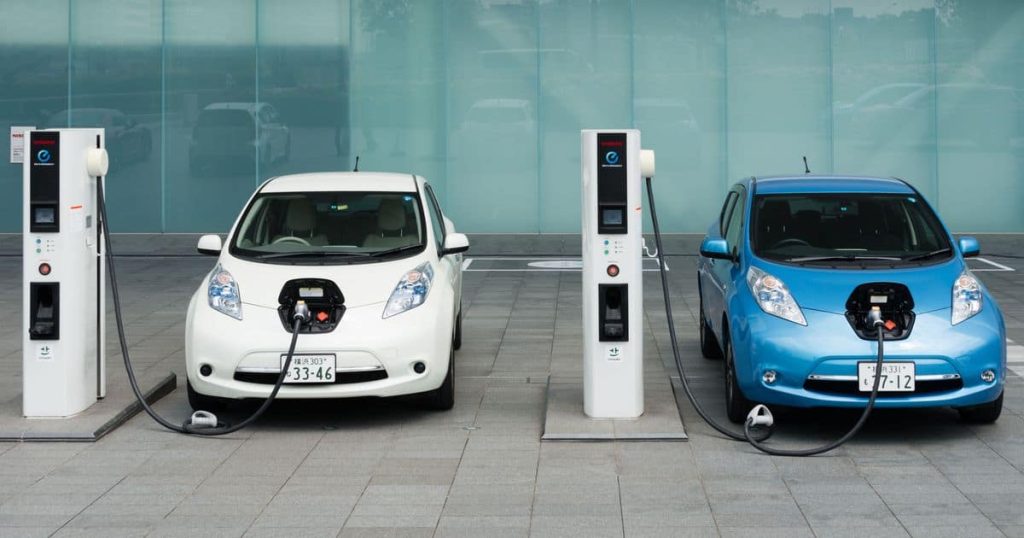
Part One: Definition and Types of Electric and Hybrid Vehicles
First, a definition of hybrid and electric vehicles and their types is given below.
1. All-electric vehicles (BEVs)
The engine of these vehicles is electric and gets its electricity from built-in batteries. These vehicles include the Tesla Model 3, BYD, and Nissan Leaf.
2. Hybrid Electric Vehicles (HEVs)
As their name suggests, they are hybrids, meaning they have a combination of an internal combustion engine and an electric motor. The batteries in these types of vehicles are charged through the combustion engine and braking, such as the Toyota Prius.
3. Plug-in Hybrid Vehicles (PHEVs)
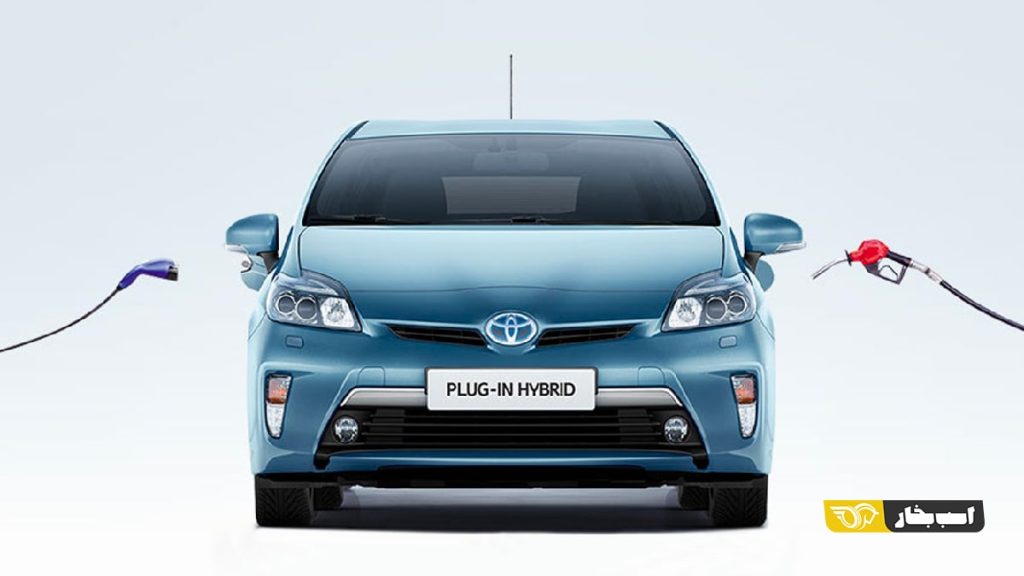
A type of hybrid vehicle that has larger batteries and can charge its batteries through city electricity, such as the Mitsubishi Outlander.
4. Extended Range Electric Vehicles (EREVs)
These types of vehicles are also electric, meaning they use an electric motor and a battery to power the vehicle, except that they use a small gasoline engine as a generator to charge the battery so that the vehicle can travel a longer distance than electric vehicles. Such as the Chevrolet Volt.
Part Two: Advantages of Electric and Hybrid Vehicles
Below are the advantages of these vehicles and the reason for emphasizing their use.
1. Reducing air pollution
Since electric vehicles do not use fuel, they do not emit any emissions. In addition, hybrid vehicles also emit less emissions than gasoline vehicles.
2. Reducing dependence on fossil fuels
Electricity generation can be provided through renewable sources such as the sun, wind, etc. As a result, there is no dependence on fossil fuels.
3. Higher energy efficiency
In internal combustion engines, a lot of energy is converted into heat and has an efficiency of 20 to 30 percent. While electric engines have an efficiency of 85 to 90 percent.
4. Lower fuel costs
Given that electricity is cheaper than gasoline and diesel, the fuel costs of electric vehicles are lower than gasoline and diesel vehicles.
5. Reducing noise pollution
As we know, electric vehicles are very quiet. As a result, they reduce noise pollution on streets and roads.
6. Tax exemptions and government incentives
With the benefits that electric and hybrid cars have, such as noise pollution, etc., governments try to encourage people to buy these cars with tax incentives.
The lack of need for these cars is a major problem. While internal combustion cars require this product.
Part Three: Disadvantages of Electric and Hybrid Cars
The disadvantages and problems of this type of car are stated below.
1. Limited driving range
Despite the limitations in the battery capacity of these cars, the distance traveled by most of them is about 200 to 400 kilometers, which is not suitable for long distances.
2. Long charging time
The charging time of cars is long. Even if you use fast charging stations, it takes about 30 to 60 minutes. While refueling with gasoline does not take more than a few minutes.
3. Lack of charging stations
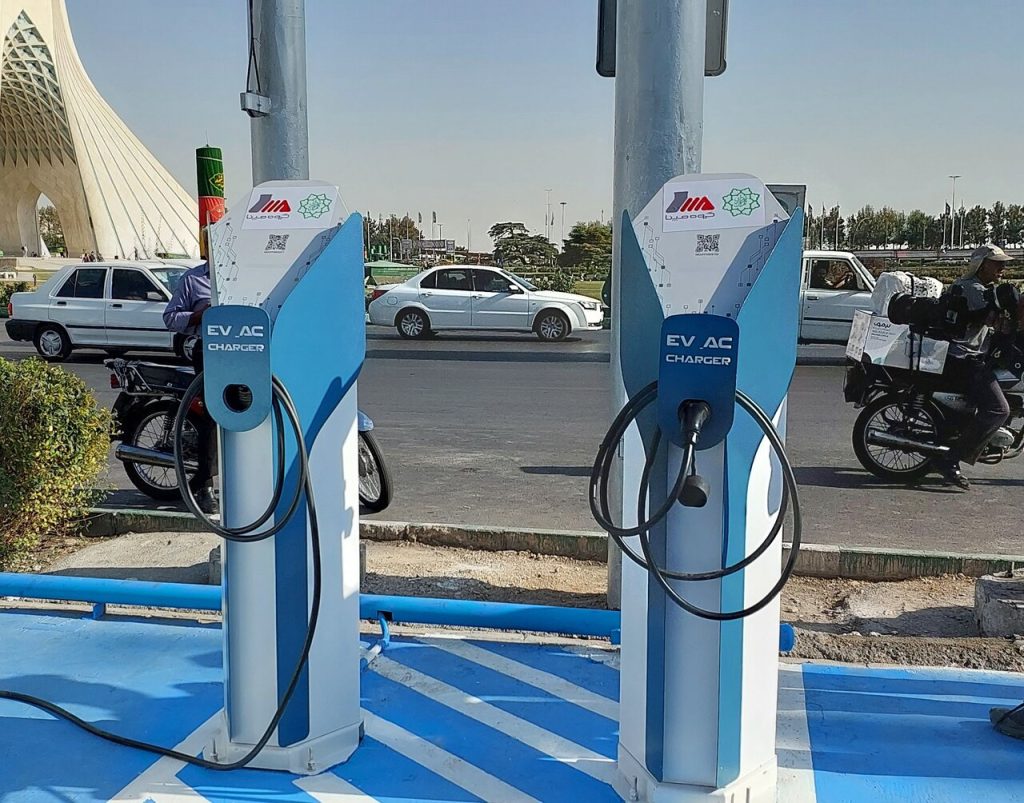
The lack of charging stations and in some places the absence of charging stations is one of the problems of using these vehicles.
4. High initial cost
The price of electric and hybrid vehicles is higher than that of internal combustion vehicles.
5. Environmental impacts of battery production
The need for batteries for minerals such as cobalt and lithium causes the extraction of these materials to increase. As a result, it has negative effects on the environment and society.
6. Battery life and replacement cost
Given that the batteries of electric vehicles lose their efficiency after a few years and need to be replaced, which is expensive.
Part Four: The Future of Electric and Hybrid Vehicles
Given advances in battery production and other matters, a bright future awaits these types of vehicles.
1. Technological advances
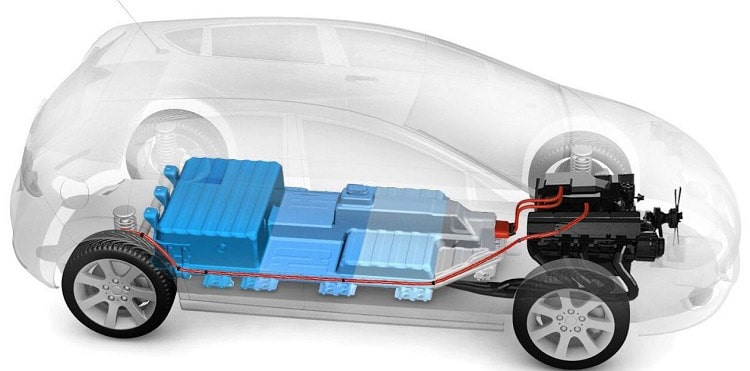
Electric vehicle batteries With much research being done on the production of solid-state batteries, it promises that in the future batteries with higher capacity and faster charging will be produced.
2. Expansion of charging infrastructure
In many countries, especially developed countries, a lot of investment is being made in setting up fast charging stations.
3. Electric self-driving cars
By combining electric vehicles with self-driving technology, a huge revolution will be created in transportation.
4. Price reduction
With new developments and an increase in production, the price of electric vehicles will decrease.
5. Strict environmental laws
A number of countries around the world have developed laws to prevent the sale of internal combustion vehicles from 2030 onwards.
6. Development of renewable energies
With the increase in electrical energy from wind and sun, the use of electric vehicles will be 100% clean.
Conclusion
As mentioned in this article, the use of electric and hybrid vehicles reduces air pollution and noise pollution. However, the problems of these vehicles, which include short range compared to internal combustion vehicles, and the increase in charging stations should be prioritized. With government support for these vehicles, demand will also increase, and in the near future we will see a decrease in internal combustion vehicles and an increase in the production of electric vehicles.